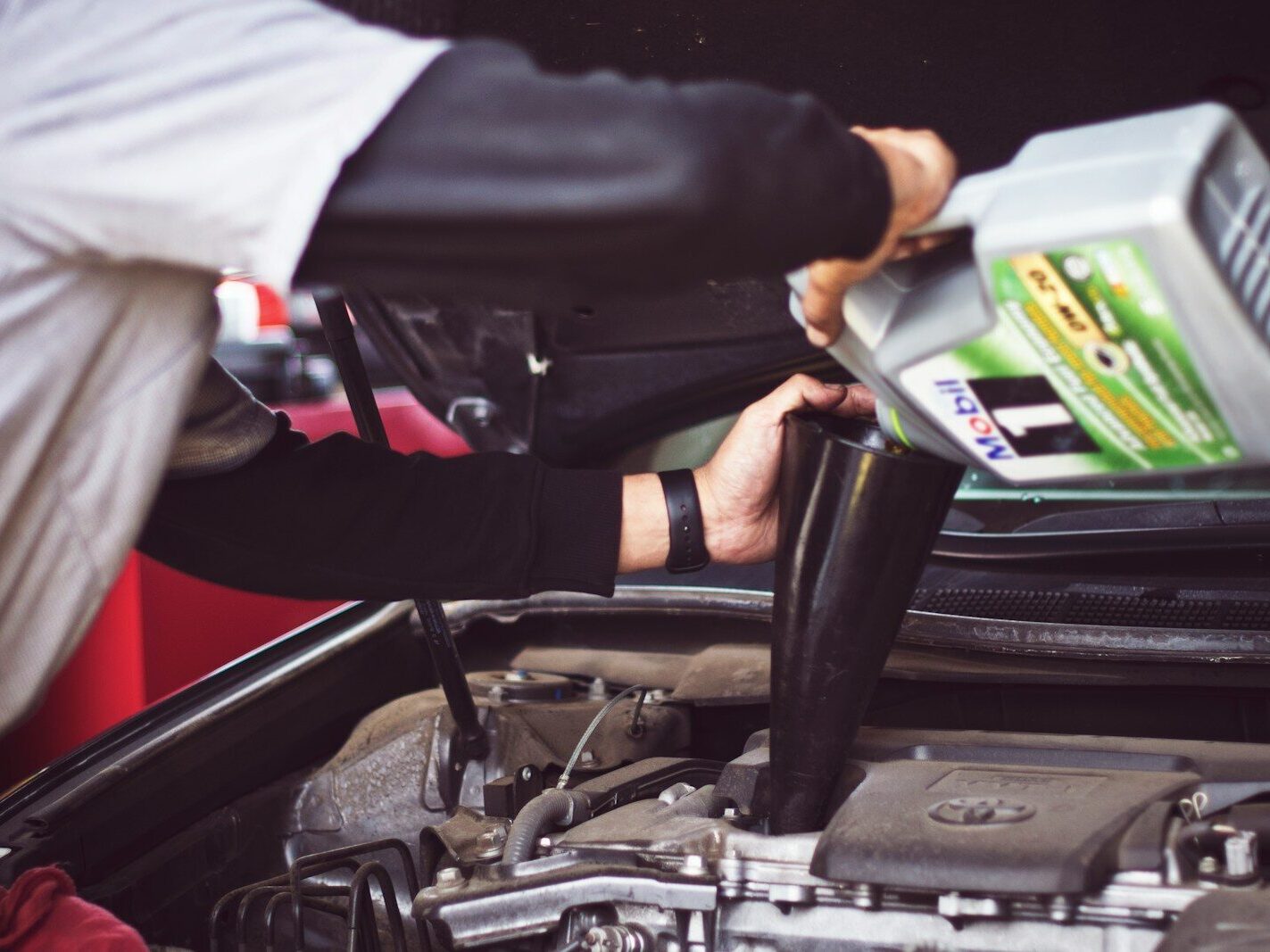
Essential Fluids & Filters
Think of fluids and filters as your vehicle’s life support system. Essential fluids—like engine oil, coolant, and brake fluid—lubricate moving parts, regulate temperature, and ensure responsive stopping power. Over time, these fluids break down, and the filters designed to trap dirt and debris become clogged. Routinely refreshing them prevents premature wear, maximizes fuel efficiency, and keeps your engine running cleanly.
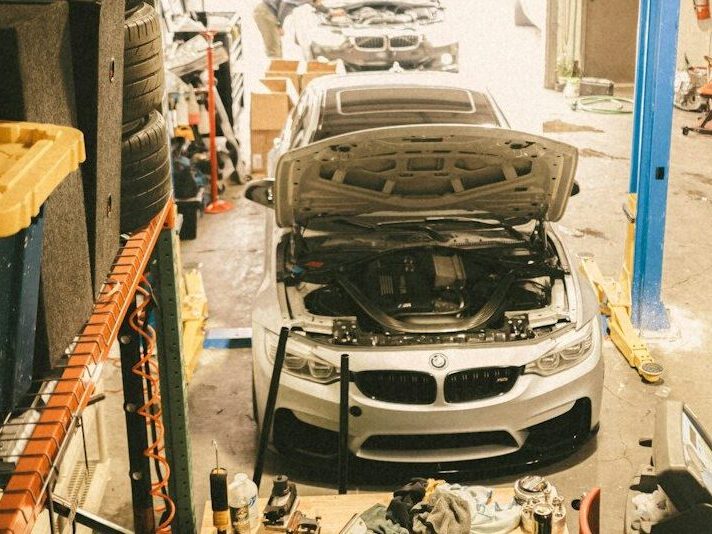
Under-the-Hood Components
Beneath the hood lies the complex heart of your vehicle, containing everything from the battery and alternator to vital belts, hoses, and spark plugs. These components work in tight harmony to start your engine, charge your electrical system, and keep power flowing smoothly. Because under-the-hood parts are constantly exposed to extreme engine heat and vibration, periodic inspections are crucial to catch minor wear before it turns into an unexpected breakdown.
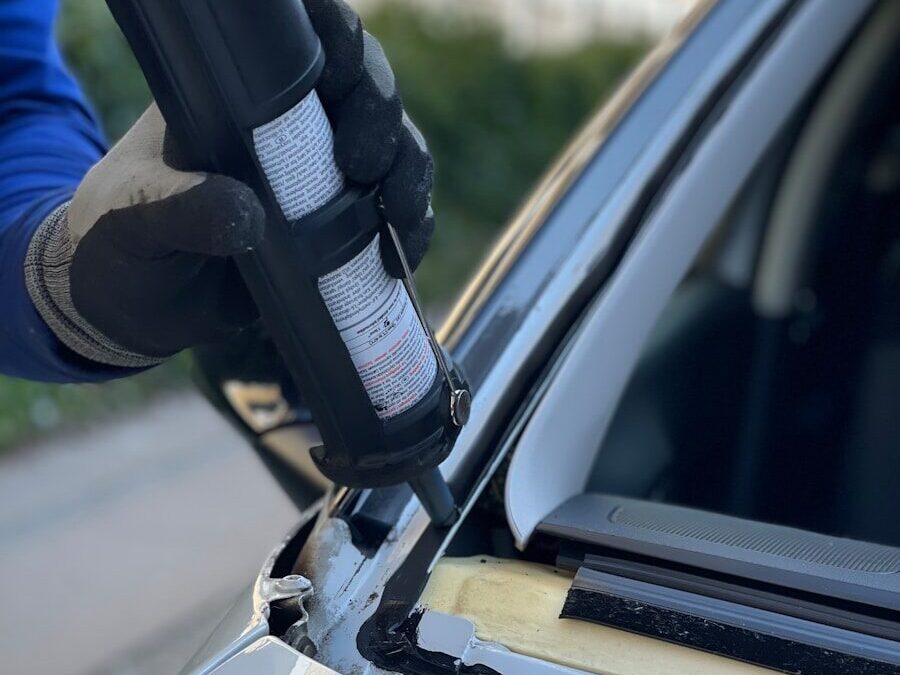
Safety & Visibility
Driving confidence relies entirely on your ability to see the road clearly and be seen by others. This category covers your entire braking system, wiper blades, windshield washer mechanics, and all exterior lighting—including headlights, brake lights, and turn signals. Maintaining these systems ensures you can react instantly to hazards, navigate severe weather safely, and communicate clearly with other drivers on the road.
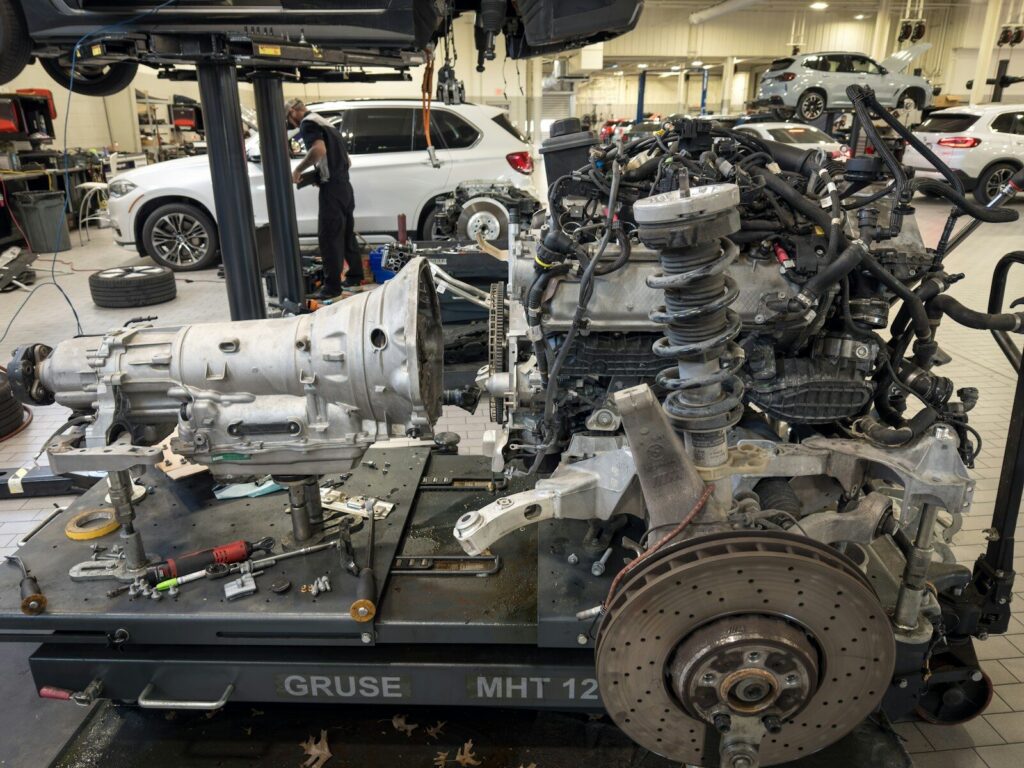
Driveline
The driveline is the mechanical muscle that transfers power directly from your engine and transmission to your wheels. This system includes your axles, driveshafts, differentials, and transfer case. Whether you are accelerating from a dead stop, cornering smoothly, or managing challenging road conditions, a healthy driveline ensures that power is distributed evenly and efficiently so your vehicle moves exactly when and how you want it to.
Frequently asked Questions
How often should I actually get a tune-up or maintenance done?
There is no single “magic number” because it depends heavily on your driving habits and your vehicle’s specific engine design. As a rule of thumb, minor maintenance like oil changes and tire rotations happen every 5,000 to 10,000 kilometers. Larger “tune-ups”—which modern vehicles treat as major mileage intervals (typically at 48,000, 96,000, and 160,000 km)—involve replacing deeper components like spark plugs, engine air filters, and flushing vital fluids. The absolute best source of truth is the Scheduled Maintenance Guide in your vehicle’s owner’s manual
My car seems to be running perfectly fine. Do I still need to spend money on routine maintenance?
Yes, absolutely. Routine maintenance is designed to be preventative, meaning the goal is to service components before they fail and cause noticeable performance issues. For example, engine oil loses its ability to lubricate long before your engine starts knocking, and a clogged engine air filter will quietly choke your fuel efficiency over time without triggering a warning light. Spending a little on scheduled fluid flushes and inspections now prevents catastrophic, multi-thousand-dollar failures down the road.
What is the difference between a minor service and a major tune-up?
A minor service is quick, frequent upkeep focused on preserving daily performance. It usually consists of changing the engine oil and filter, checking and topping up fluid levels (coolant, brake fluid, washer fluid), inspecting tire pressure, and doing a quick visual check of the brakes. A major tune-up is a deeper, mileage-based overhaul. It includes everything in a minor service plus replacing worn wear-and-tear components like spark plugs, cabin and fuel filters, inspecting or replacing engine belts and hoses, checking the battery health, and running a diagnostic scan on the vehicle’s computer systems to ensure everything is firing perfectly.