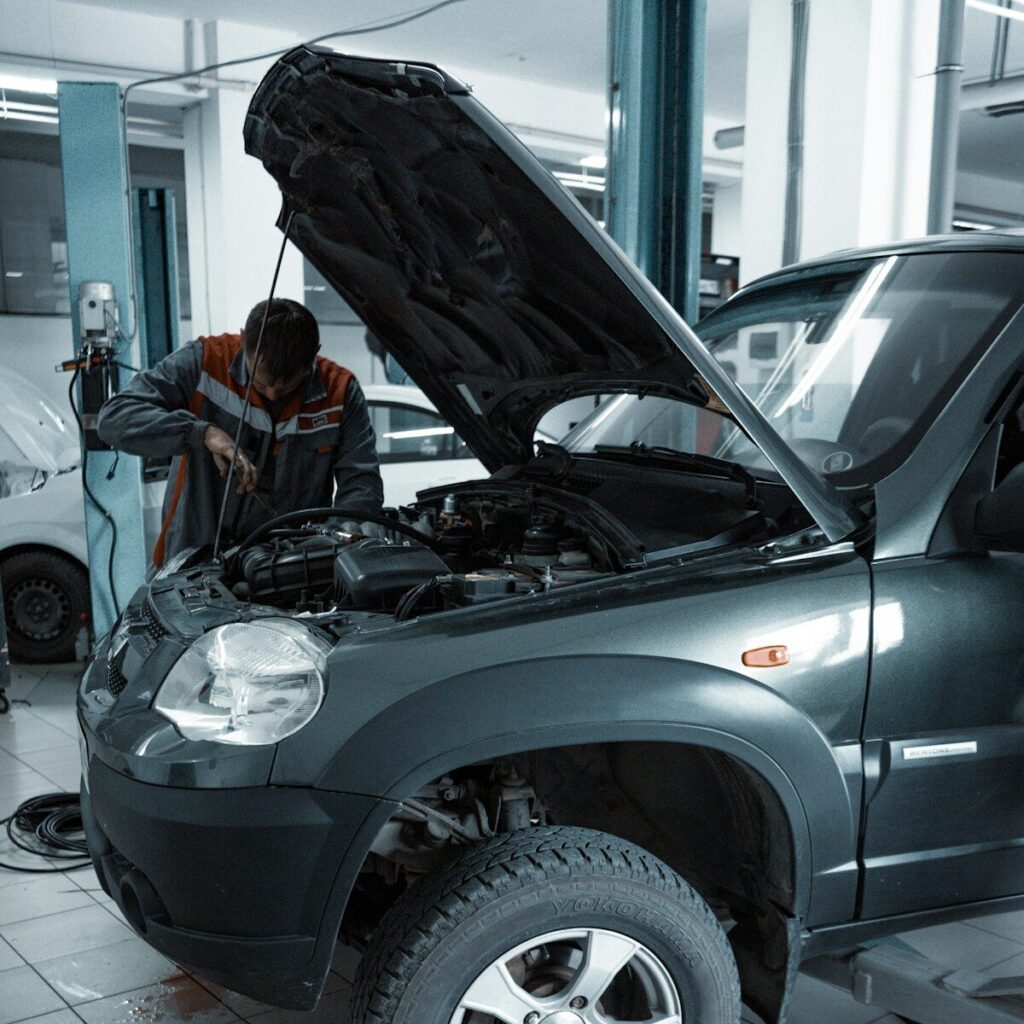
Inspections
A professional auto inspection provides a comprehensive, bumper-to-bumper health check of a vehicle’s mechanical, structural, and electrical systems. Typically performed as a Pre-Purchase Inspection (PPI) before buying a used car, or as a routine digital health check, it reveals hidden defects like covered-up frame damage, fluid leaks, worn suspension parts, or failing modules. Think of it as an X-ray for your vehicle—giving you the vital data you need to negotiate a fair price or drive away with total peace of mind.
Certifications
Auto certifications are formal evaluations required to prove a vehicle meets strict regulatory, safety, or environmental standards. In Ontario, this includes the standard Safety Standards Certificate (SSC), which is legally mandated when registering a transferred vehicle, bringing an out-of-province vehicle into the market, or changing a vehicle’s status from unfit to fit. A certified vehicle verifies that critical components—such as brakes, steering, lighting, and structural integrity—fully comply with provincial safety laws.
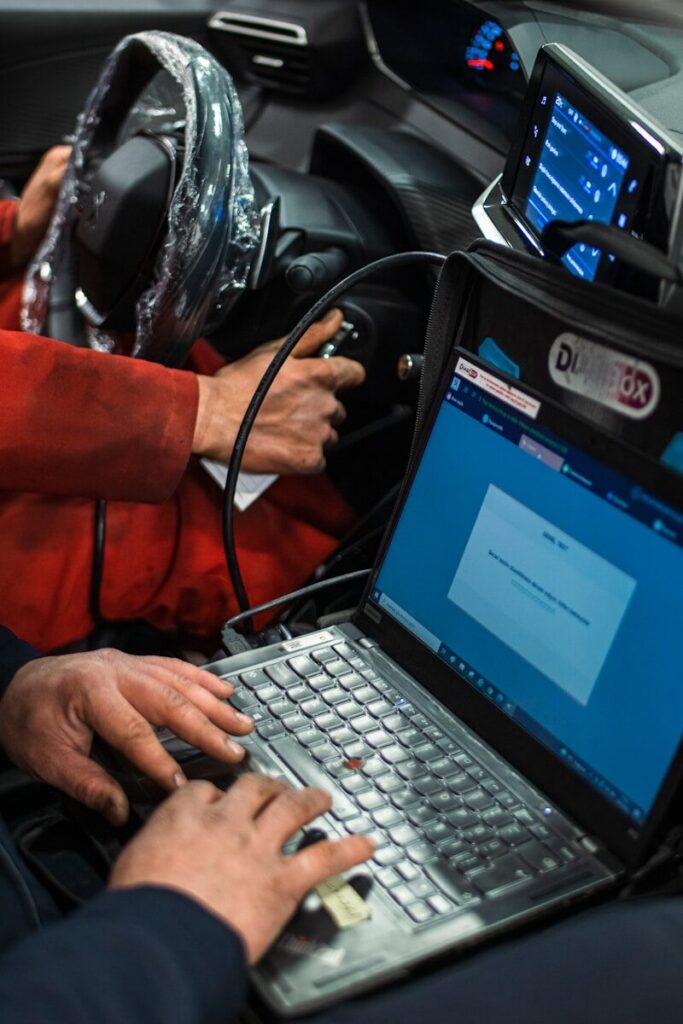
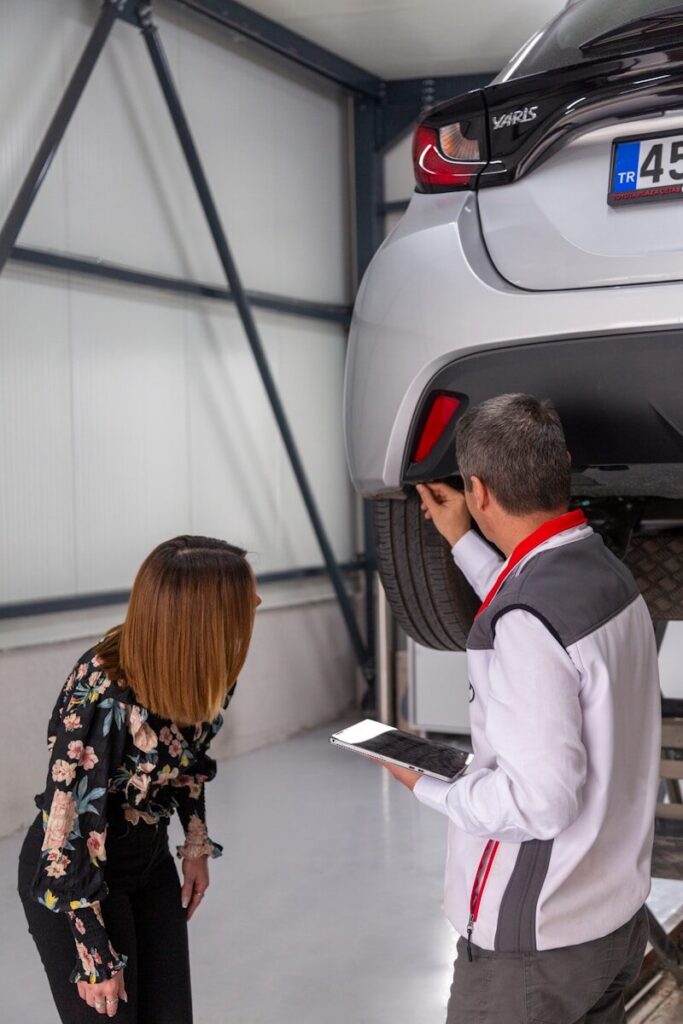
Appraisals
An auto appraisal determines the exact, documented market value of your vehicle based on its current condition, history, upgrades, and real-time market data. This certified valuation is crucial for insurance coverage (especially to establish an “agreed value” for classic or modified cars), handling estate settlements, securing financing, or ensuring you get top dollar during a private sale. Our precise appraisal process gives you an official, legally recognized document that protects your financial investment.
Frequently asked Questions
What is the difference between an auto inspection and an auto certification?
While both involve checking the vehicle, their purposes and legal weights are quite different. An inspection is a comprehensive diagnostic review performed for your own information (usually before buying a used car) to find hidden flaws, estimate upcoming repair costs, and evaluate the overall health of the vehicle. A certification (like an Ontario Safety Standards Certificate) is a strictly regulated government pass/fail checklist. It only verifies that specific, high-priority safety components meet the bare minimum legal criteria to be driven on public roads. An inspection tells you how good a car is; a certification tells you if the car is legal.
Why do I need a professional appraisal instead of just checking a vehicle’s value online?
Online valuation tools provide a broad, automated average based on the year, make, and model, but they cannot see or evaluate your specific vehicle. A professional, in-person appraisal factors in the vehicle’s exact physical condition, documented maintenance records, rare factory options, and aftermarket upgrades or restorations. Furthermore, insurance companies, banks, courts, and tax authorities do not accept online printouts; they require an official, certified appraisal report signed by a licensed professional to validate payouts, loans, or tax exemptions.
If a vehicle passes a provincial safety certification, does that mean it’s a perfect car to buy?
Not necessarily. A safety certification only guarantees that the vehicle’s critical safety systems—like the brakes, tires, steering, and lights—meet the minimum legal safety requirements on the exact day of the test. It does not cover the health of the engine, the longevity of the transmission, air conditioning performance, or looming electronic failures. A car can pass a safety certification with an engine that is on the verge of failing or a transmission that slips under load. To protect your wallet, you should always couple a safety certification with a comprehensive pre-purchase inspection.