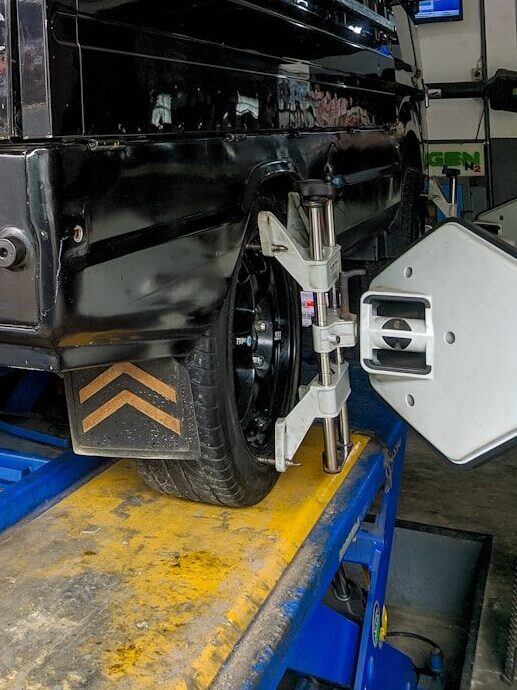
Alignments
Precision is the difference between a smooth ride and costly tire wear, which is why we utilize state-of-the-art alignment technology to ensure your vehicle tracks perfectly straight. Trust our experts to restore your handling and fuel efficiency, saving you money at the pump and extending the life of your tires.
Tires
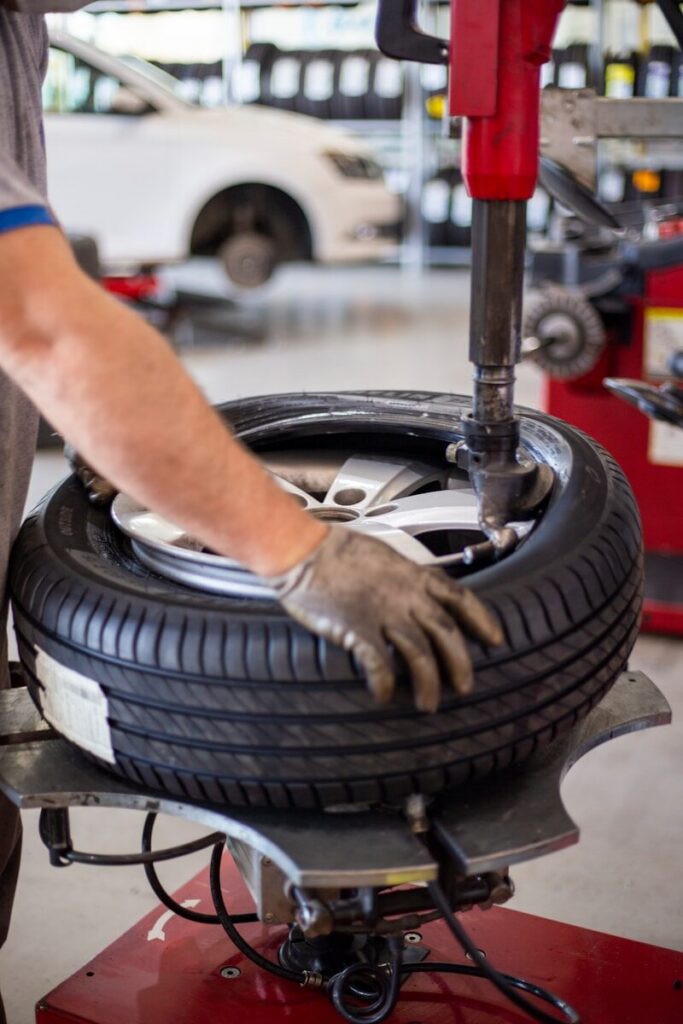
Whether you’re looking for the long-term reliability of brand-new name brands or the incredible value of our quality-inspected used tires, we provide the perfect fit for every budget and driving style
Frequently asked Questions
How do I know if my vehicle needs a wheel alignment or if it’s just a tire issue?
While both can cause a rough ride, the symptoms are usually distinct. You likely need an alignment if your vehicle actively pulls to one side when you let go of the steering wheel, or if your steering wheel sits crooked while you are driving straight. On the other hand, a tire issue (like an unbalanced tire or a slipped belt) usually shows up as a distinct vibration or shaking in the steering wheel or seat at highway speeds. Additionally, if you notice your tires are wearing out unevenly—such as the inside edge wearing down much faster than the outside—that is a classic sign of bad alignment angles scraping your rubber away.
How often should I rotate my tires, and why is it necessary?
You should generally have your tires rotated every 8,000 to 10,000 kilometers (or roughly every time you get your oil changed). Because the front of your vehicle carries the weight of the engine and handles all the steering friction, front tires wear down much faster and differently than rear tires. Moving them to different positions ensures that all four tires wear down at an even, uniform rate. This simple practice safely extends the overall lifespan of your tread, maintains consistent traction, and protects your drivetrain components from unnecessary stress.
Do I need a wheel alignment every time I get new tires installed?
It is not strictly mandatory, but it is highly recommended. When you invest in a fresh set of tires, the last thing you want is an existing, hidden alignment issue to immediately start scrubbing off the brand-new tread. Think of it as a protective insurance policy for your investment. If your suspension is even slightly out of line, it acts like dragging your shoe sideways across the pavement. Getting an alignment with your new tires ensures they roll perfectly flat against the road, maximizing their lifespan and keeping your drive smooth right from the start.